To be fair, for the most part there is none. “Microneedling” and “skin needling” are two ways of referring to one and the same collagen-stimulating treatment, even if a clinic will put a different spin on it according to the device or degree of oversight involved.
The name on the menu is not what you should be concerned with. It is the manner in which the procedure is done, by whom, the depth of the needles and if the device is right for your particular issue. I am Callum Wright and I approach my writing on skincare as I did when answering questions at hotel reception: in a straightforward and honest fashion, without the pretence that any given option is for everybody.
What The Names Really Mean
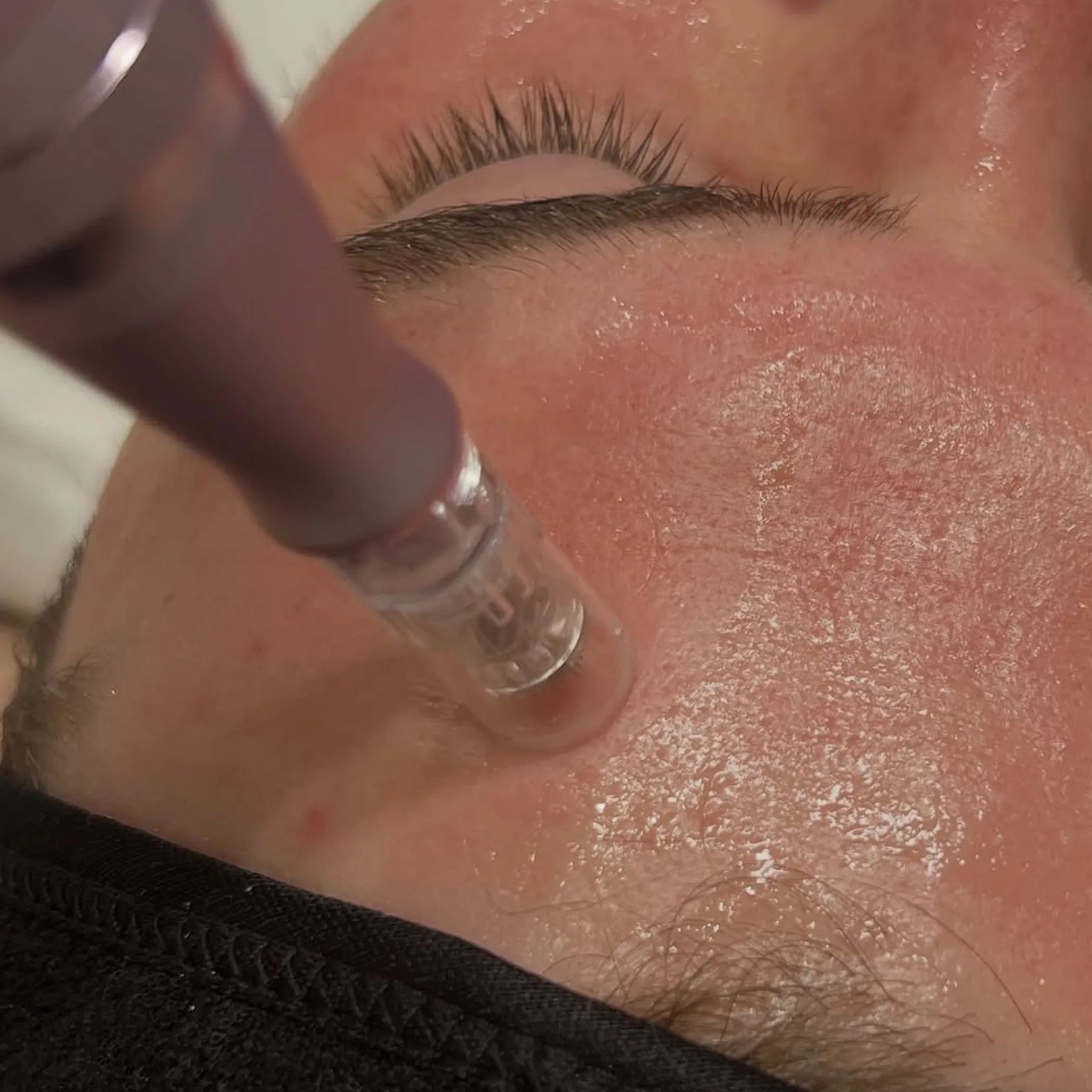
You can make sense of the terminology and compare treatments more easily once you know what they are. Be it microneedling, skin needling, collagen induction therapy or, if one is being imprecise, dermapen treatment, it is the same thing.
What Is Skin Needling?
Skin needling is an umbrella term for a procedure in which minute needles are employed to put controlled micro-injuries in the skin. The channels left behind set off the skin to repair itself, an action that can boost collagen and do something for uneven texture, fine lines and the odd acne scar.
It is not so much a single technique as a broad category. You might have a professional with an electronic pen like a Dermapen to vary the needle depth, or he could use a derma roller, a tool of a different ilk with a rotating head full of needles.
What Is Microneedling?
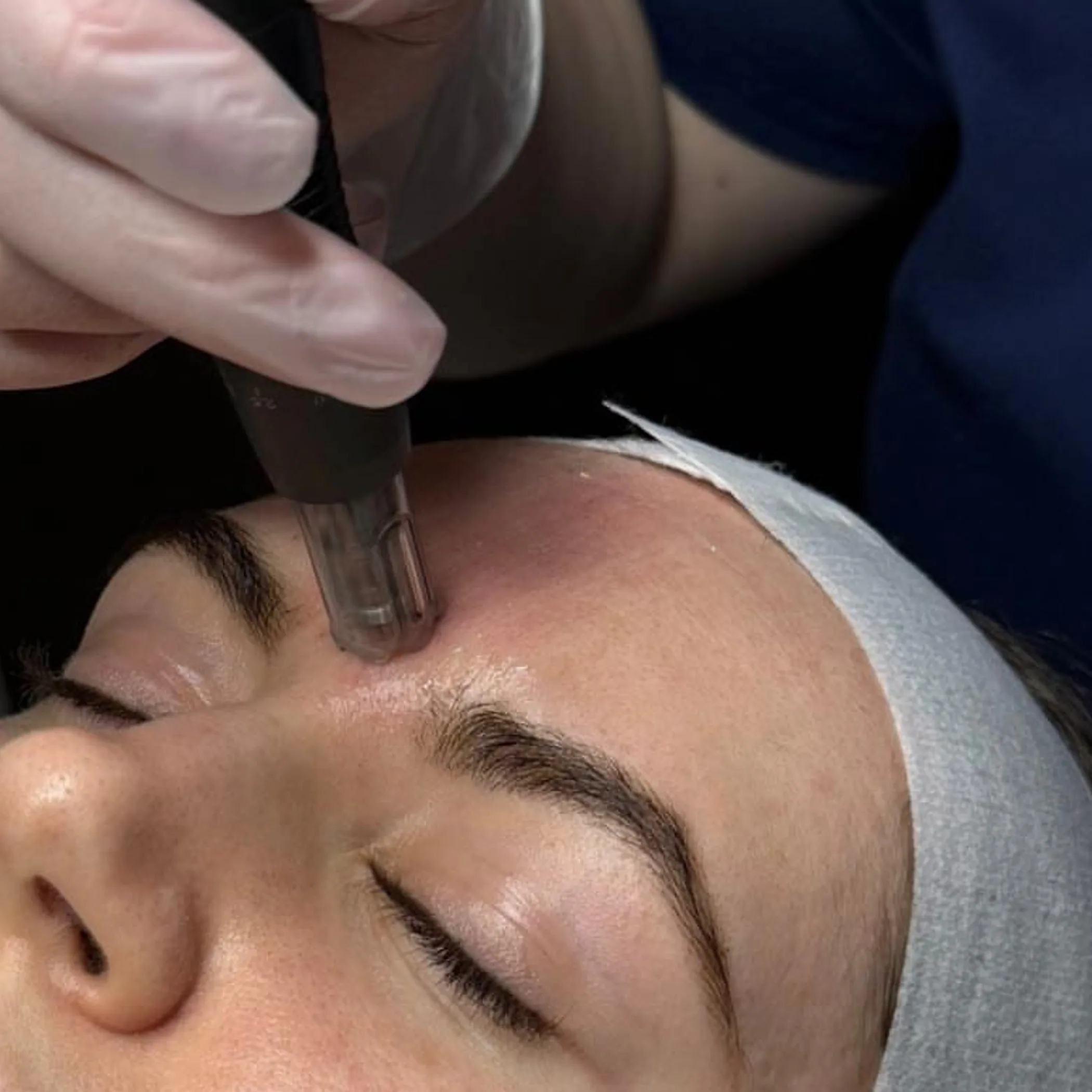
This is the clinical and cosmetic parlance for a needle-based treatment where a powered device is run vertically over the skin at the practitioner’s discretion as to speed and depth. In Australia the two terms are used interchangeably in skincare circles. But then the question becomes one of quality. Before getting started a competent practitioner will tell you about aftercare, infection control, the device and what response to expect.
How The Treatment Works
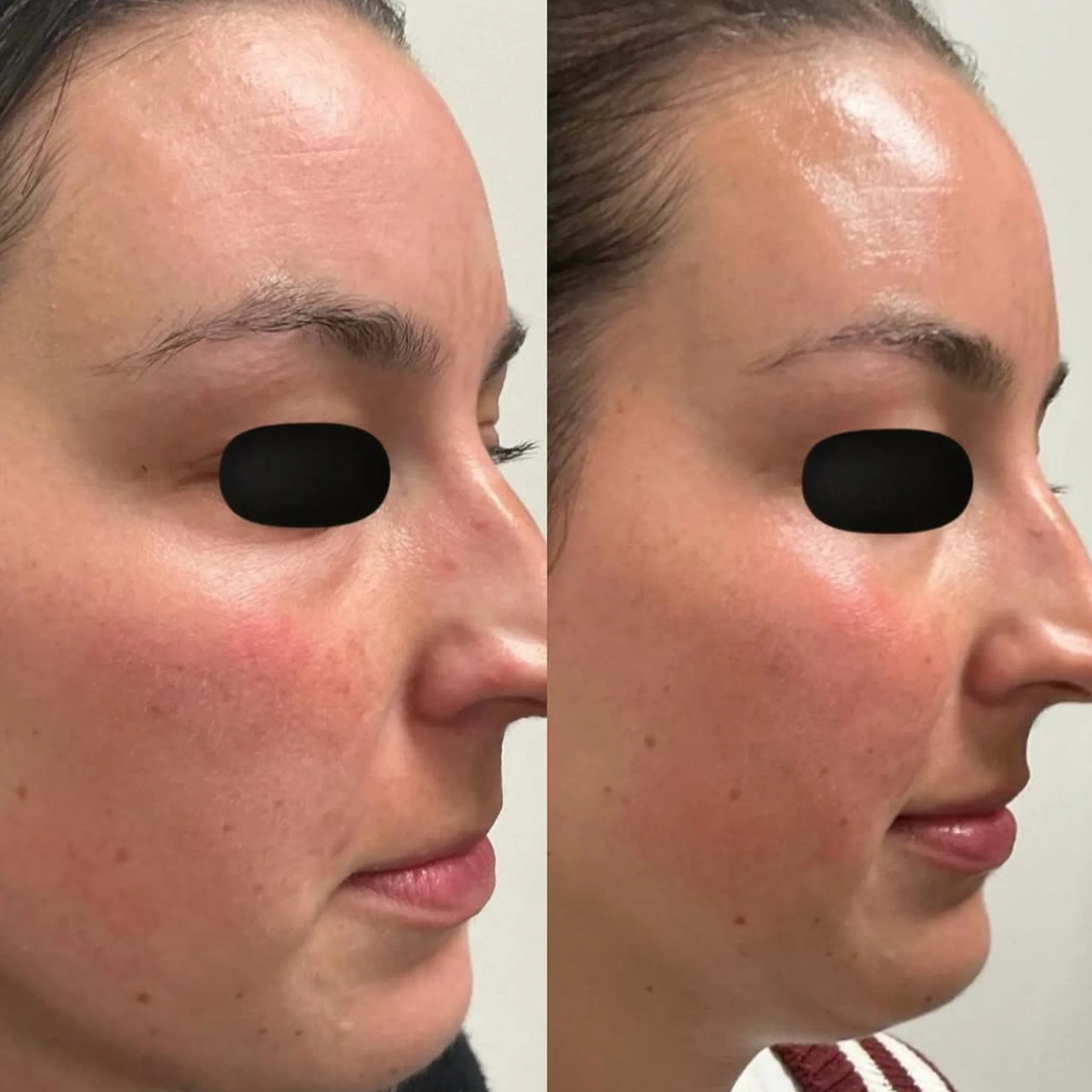
The object is to elicit some wound-healing without having to take the whole surface of the skin off. Over time this will see some elastin and collagen activity but do not expect anything magical. Some would have you believe from their advertisements that skin needling is a quick fix before the wedding, it is not.
Controlled Micro-Injuries
The body will start to put things right once the needles have made their narrow channels. One might see the skin looking a bit plumper from the circulation and slight swelling while new collagen comes in.
Depth is a factor. A superficial treatment for a glow and better serum absorption is not the same as a professional going in deeper to address more entrenched texture problems. And deeper is not necessarily an improvement; too much of it and you are asking for redness, pigmentation issues or an infection.
Powered Pen Or Derma Roller?
With a powered pen the practitioner has the upper hand when it comes to controlling the angle and depth on the jawline, nose or forehead. A derma roller simply rolls over the skin which is less controllable, especially on any curves. And an at-home roller that has been left carelessly in the bathroom cabinet is hardly a skincare instrument, more of a tiny metal apology in the making.
Benefits And Expected Results
Do not look for an overnight miracle with microneedling. The changes in texture are gradual. Folks come for facial rejuvenation, enlarged pores, uneven tone or shallow scarring.
How well it works is contingent on age, smoking, medical history, sun exposure and the number of sessions among other things. A sensible clinic will talk to you about improvements, not sell you on perfection.
Common Skin Improvements
Over the course of a few treatments the skin can be made to look firmer and more even. After the redness has gone there is often a fresher look to things but the biological process of making collagen is slow so deeper changes will not be immediate.
Acne scars are another matter. A rolling scar of a shallow nature may be more responsive than one with hard edges. Not every scar is a candidate for microneedling and a good practitioner will put forward an alternative or a combination if that is called for.
| Concern | Possible benefit | Realistic expectation |
|---|---|---|
| Fine lines | A degree of firmness and smoother skin can be had | Do not anticipate anything other than a slow evolution over the course of weeks or months |
| Acne scars | There is the prospect of some shallow scars being less visible | An accurate assessment is called for and more than one session is typically in order |
| Uneven texture | Expect your surface to be more even | If not altogether smooth |
| Skin tone | A look that is more uniform and fresh | After treatment sun protection is a must |
| Pores | With the rest of the skin in better shape they are not as noticeable | They will not be gone for good |
When you will see results
The redness and swelling may subside to leave something of a glow in the short term for some. But any real effect from microneedling comes as the collagen in the skin is remodelled, which is a matter of weeks. Should a clinic put forward the claim of a permanent outcome in a single sitting, it is best to ask a few questions before buying into it.
Then there is the fact that no result puts a halt to the ageing process. Any maintenance plan ought to be dictated by the practitioner and the depth of the work done on your skin, not some off the shelf package.
Professional versus at-home
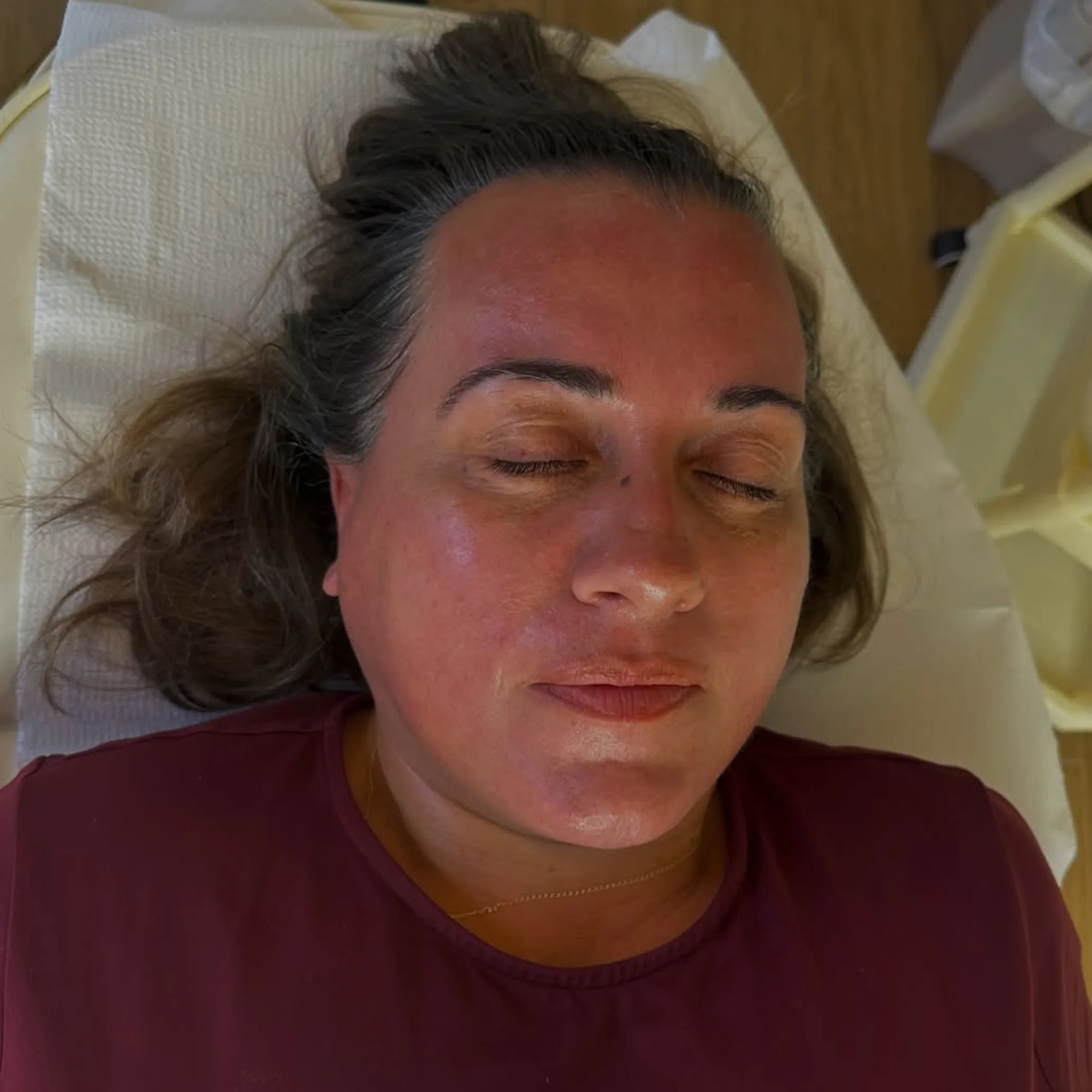
The two are not on a par. A qualified professional will have the sterile technique and judgement to determine the right depth for your skin and when to hold off on a procedure.
Some will tell you their at-home product is gentle, yet it is not without risk. Put it to wrong use and the device can compromise the skin barrier, inflame things further or introduce bacteria.
Why it is worth having a professional
Proper microneedling entails a consultation, the skin being prepped, aftercare in writing and a needle cartridge that is either single-use or well managed. The practitioner should be enquiring as to allergies, medicines, a record of pigmentation changes, eczema or psoriasis, recent procedures and so on. In Australia one is within rights to know the operator’s training and infection control and what device is in use. For an idea of how these medical devices are regulated the Therapeutic Goods Administration has the relevant information.
At-home risks
It is all too easy to overdo it with at-home needling. Too frequent a routine will have the skin in a state of irritation instead of looking its best. And sharing the device with a partner is not safe; blood and skin bacteria are indifferent to your relationship.
If you have an open cut, a cold sore, an infected area or active breakout, do not put a needle to it. Nor should you use a home device if you have any doubts about the condition of the needles or how to clean it; a roller in poor repair will cause uneven trauma.
Making a choice
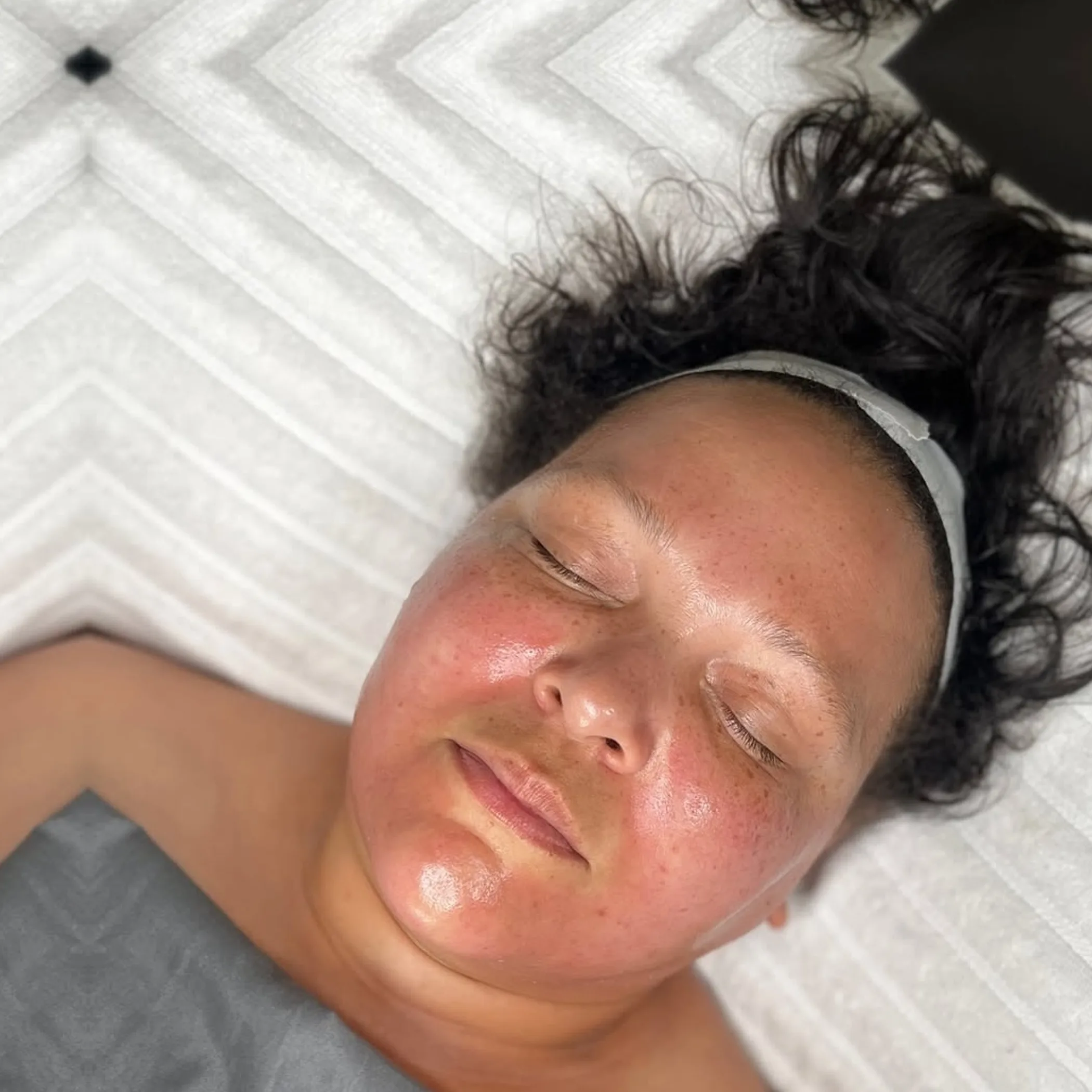
Let your objective be the guide, not whatever is fashionable on social media. If you have sensitive skin, pigmentation issues or scarring that is of concern, a consultation is time well spent. Those with a disposition to post-inflammatory pigmentation in particular require strict sun protection and conservative settings. One wants a treatment the skin can put up with and recover from.
Who is a candidate
Adults wanting to address fine lines, some facial rejuvenation or mild to moderate textural problems may find microneedling suits them, provided they are prepared for the results to be a slow build and can adhere to aftercare.
Those with poor wound healing, a propensity for raised scarring, uncontrolled inflammatory conditions or an active infection are not ideal candidates. It would be prudent to run pregnancy, blood thinners or recent isotretinoin past a health professional first.
Common misconceptions
One error is to make of needle depth a contest. Discomfort and bleeding are no indication of a superior job. Another is to put on an irritating active in the wake of it all in the name of better serum uptake.
Calm is what freshly treated skin requires. A broad-spectrum sunscreen, some moisturiser and a gentle cleanser are to be preferred to acids, retinoids and fragrances.
Downtime and risks
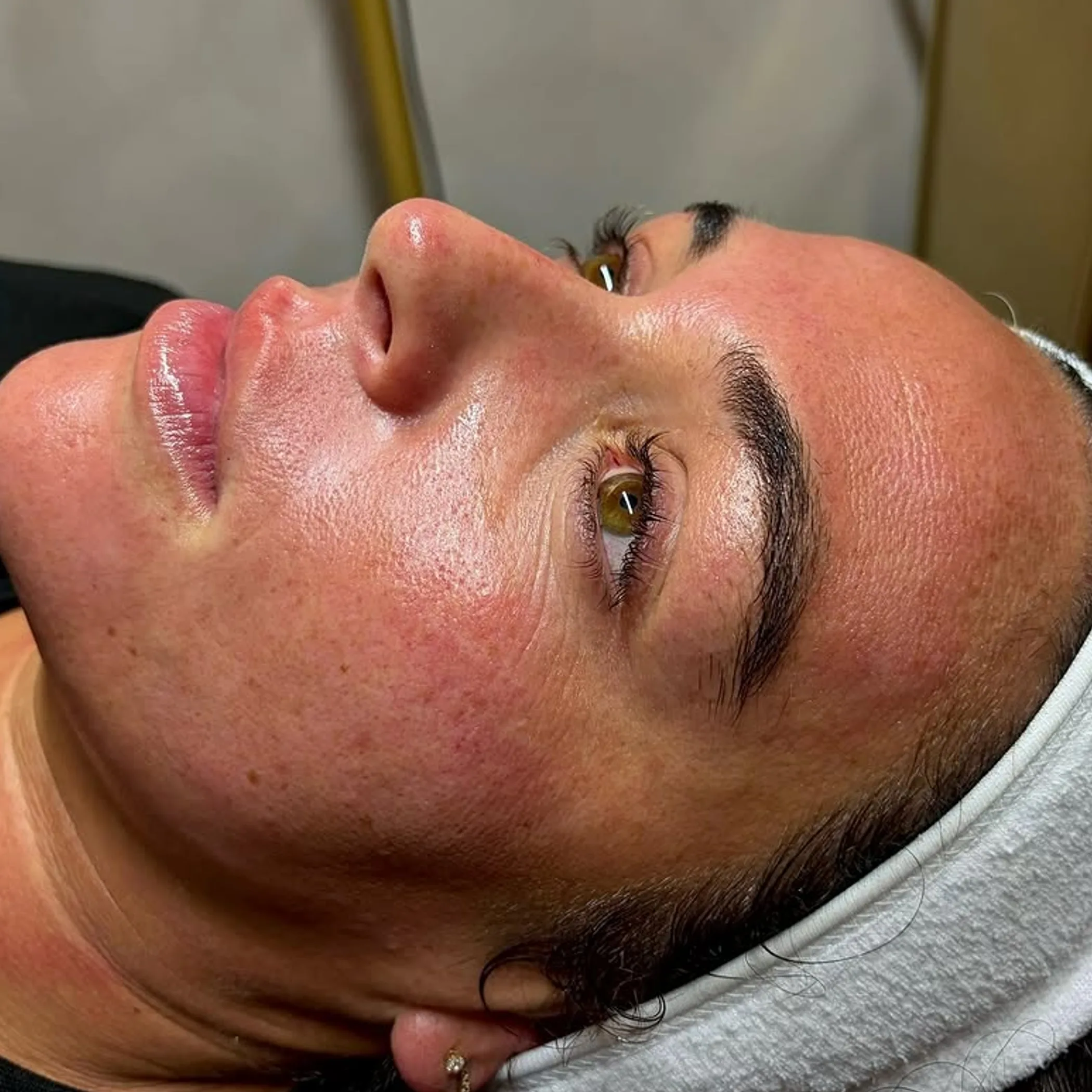
You are likely to have some warmth, tightness, redness, sensitivity and small marks from the procedure. How long it takes to settle is a function of the area and depth of the treatment.
Where hygiene is lacking or the skin not fit for it, you can get infection, scarring or unwanted pigmentation. These are not everyday occurrences but should be part of the discussion prior to consent.
What is normal and what is not
A little redness and dryness, akin to a mild case of sun exposure, is to be expected. Worsening pain, blistering, fever, pus or a marked swelling are not.
Should you have any atypical symptoms, put in a call to the practitioner for some medical advice. Make an effort not to put make-up on top of a reaction that is getting worse and put it out of your mind; the skin has a way of remembering and its complaints department is more acute than one might think.
Aftercare Worth Having
Your practitioner may tell you to stay off vigorous exercise, hot showers, saunas and swimming for the first couple of days, as well as keep hands to yourself. Give retinoids, exfoliating acids, potent vitamin C and anything with fragrance a miss until the skin is better for it.
- Stick to the clinic’s written instructions and unadorned, clean skincare.
- Put on sun protection and do not be tempted to tan.
- Flaky skin is not to be picked, scrubbed or peeled.
- Any irritation of a severe nature should prompt you to put treatment on hold and get some counsel.
Making A Session Safer
A little preparation goes a long way to head off problems. Do not book in right before you are due for a beach holiday, a long-haul flight or to be in the Australian sun at some outdoor event; plan for a few quiet days in your wake.
The practitioner ought to know of all pertinent medicines and supplements, any recent cosmetic work or skin reactions. And if the consultation feels like you are being hurried through, take note of that. One does not want a treatment room to be akin to a drive-through.
Preparation In Brief
Before you book, make sure the practitioner has laid out the total price, what results to expect, downtime, contraindications, infection controls and the like, as well as the device and needle depth. Enquire as to whether the consultation is part of the package and how they would handle an unforeseen skin reaction.
Once treated, have your gentle products and a clean pillowcase to hand and put together a schedule that is not overdone. For those who cycle to work or like to be on bush tracks at the weekend, recovery needs to be factored in, not simply wished away by hoping for clement weather.
Frequently Asked Questions
I am asked these most often and in the end it is about method and suitability, not the label.
Is there a difference between microneedling and skin needling?
In practice, no. They are often used interchangeably by clinics, “skin needling” being the wider term and “microneedling” for the powered pen variety.
So is microneedling superior?
Not of itself. While a powered device can give you more exacting control of depth than a derma roller, what is best will be determined by the operator and the aftercare as much as your skin concern and the plan of action.
What are the downsides to skin needling?
You could be looking at redness, some discomfort or swelling, and the risk of infection or altered pigmentation. Results can be underwhelming if one is unrealistic. There is also the matter of having to do several sessions and be diligent with sun protection.
When will I see the effects of microneedling?
Recovery may leave you with a bit of a glow but for collagen to do its work it is a matter of weeks. Something like an acne scar is a more entrenched problem and will require a number of sessions and time.
Is it safe?
Provided a qualified practitioner is using the right equipment and infection controls on suitable skin, yes. That is not to say there is no risk; inflamed skin or an active infection are reasons to put it off.
Is home microneedling an option?
There are risks with home devices, especially if they are not properly cleaned or shared, or put in too deep. Do not use them on rashes or broken skin and if in any doubt get professional input.
How frequently is skin needling done?
There is no set timetable, it is down to the depth of the needle and how the skin responds. Let it recover completely and let a qualified practitioner set the course.
Things to steer clear of post-microneedling
Let the skin get over it without you picking or scrubbing at it or using active products that will cause irritation. Your practitioner will likely put a ban on make-up, heat and swimming for a while.
The bottom line
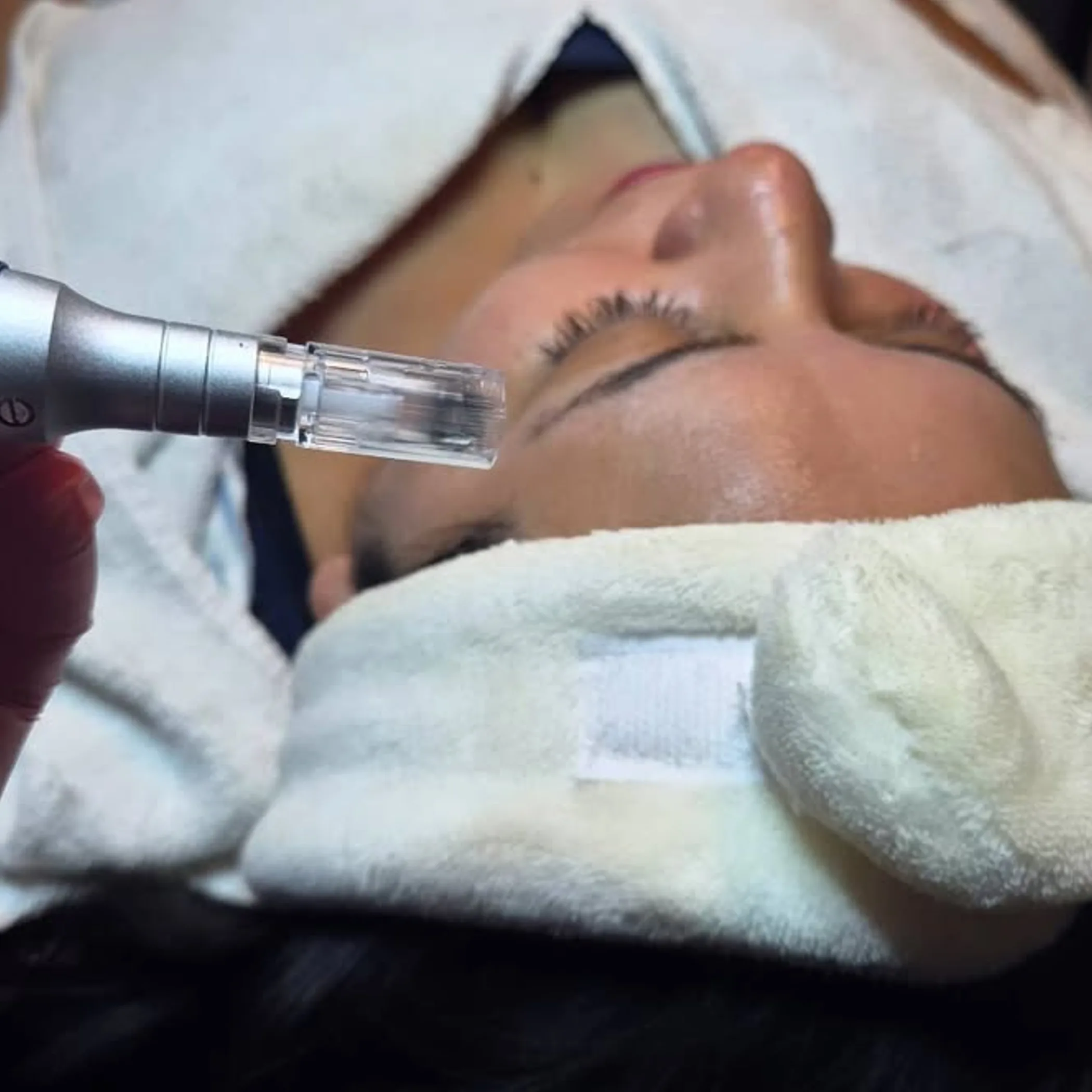
One could say microneedling and skin needling are two ways of describing the same thing. What separates them is the skill of the practitioner, the hygiene, the device and how assiduous you are with the aftercare.
For those thinking of undergoing treatment, a sensible approach and some patience will do more for the appearance of your skin than hunting for the most impressive roller on the internet. Go to a reputable clinic in Australia, ask the hard questions and do not expect a miracle.
