By way of a guide to the cooler side of Australia’s Chardonnay and Sauvignon Blanc, one will find this is where the wines tend to be of a leaner make with more pronounced acid and fruit than you would get from a warm-climate white of fuller body. Of course there are exceptions; vintage, oak and the winemaker have their say, as does the region.
I am Callum Wright, a Hobart resident for whom the cool is not so much a seasonal affair as a housemate. My time in hotels and regional tourism has taught me that the last thing a guest wants is a wine lecture. They want an idea of the bottle’s taste, if it is value for money, what to have with it and how long a drive it is to a decent loo. This is an Australian white wine guide for such practicalities.
What do they mean by cool climate?
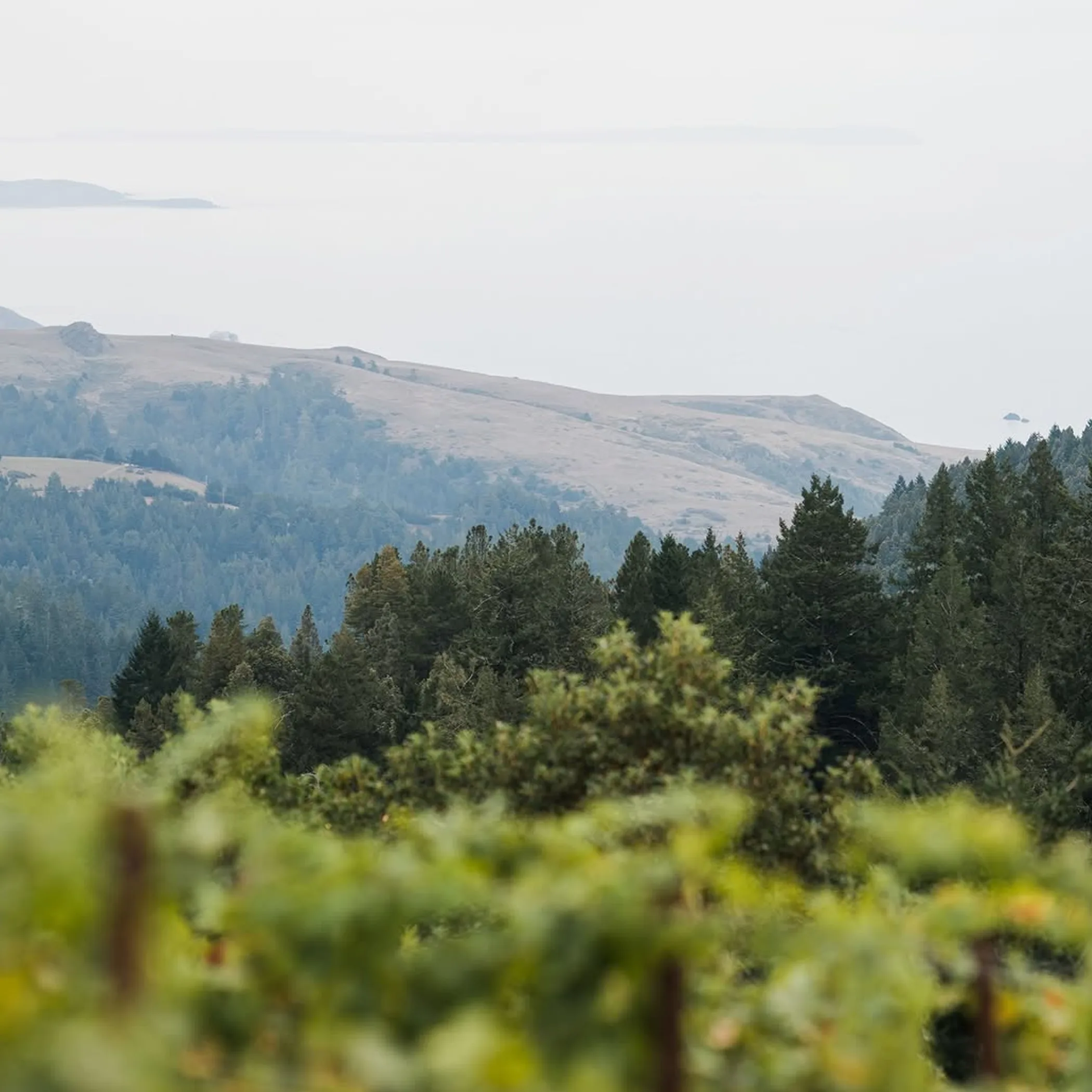
The grapes in these parts have a slower ripening, be it from the latitude or elevation, the ocean or a maritime climate. It is a case of developing flavour without the weight or alcohol, and holding on to natural acid.
You will not find a single style. An Australian Chardonnay from a cool climate might be all citrus, stone fruit and green apple; a Sauvignon Blanc could put forward some lemon and herbs with a touch of tropical fruit. Some are unoaked and steely, others have been given texture through lees ageing, partial malolactic fermentation or oak. Together, they can produce crisp refined white wines with plenty of personality.
How the climate puts its mark on the flavour
It is down to temperature as to the pace at which the grape forms its sugar, acid and flavour. Under cooler conditions the wine is apt to be more precise and fresh with a clean finish, something that suits the dinner table.
One should not mistake “cool climate” for “thin”. A badly made wine will be hollow and sharp, but a good one has body enough. That is a matter of balance, the quality of the fruit and how it was picked and fermented.
Leading regions in Australia
Tasmania and the Yarra Valley or Margaret River will not yield the same Chardonnay or Sauvignon Blanc. The former is more brisk and mineral, the latter can be generous with the fruit yet still savoury.
And do not let a map deceive you on the distance between cellar doors. Add in a lunch, some tastings and a wrong turn and a short trip can easily fill the day. Make a booking and put some water in the car; a road trip in wine country is no supermarket run.
| Region | Typical Climate Influence | White Wine Character | A note for the visitor |
|---|---|---|---|
| Tasmania | Maritime and cool latitude | Mineral detail, high acid, restrained stone fruit and citrus | From Launceston or Hobart set aside the day |
| Yarra Valley, Victoria | Elevation and cool inland valleys | Citrus and stone fruit in a fine Chardonnay with measured oak | Better to have a car or tour than put your faith in public transport |
| Mornington Peninsula, Victoria | Coastal exposure | Lemon and apple in the Chardonnay with a saline edge and elegant texture | Narrow roads and fickle weather call for extra time |
| Adelaide Hills, South Australia | Cooler nights and elevation | Crisp acid and herbs in the Sauvignon Blanc and Chardonnay | Have a return route to Adelaide in mind |
| Clare Valley, South Australia | Dry continental and elevation | Fragrant and firm whites with citrus and apple | An overnight is wise given the driving |
| Margaret River, Western Australia | Indian Ocean moderates the maritime climate | Chardonnay with some oak and texture; Semillon may be in the Sauvignon Blanc | Put up for the night rather than face the long Perth drive |
Choosing a region
For a day out, pick two or three cellar doors in the region nearest you instead of making for six. From Melbourne the Mornington and Yarra are sensible; in Hobart, confine yourself to one part of Tasmania before dinner.
With public transport hard to come by in many wine regions, a private transfer or a driver is the way to go if you are intent on tasting. Allow for AUD 15–35 a head for most, more for anything premium. A day trip with transport, meals and lodging to boot will easily run you over AUD 150 a head; it is worth looking up what the prices are before you set out.
Wine Australia has the official information on regional production and the industry at large if one wants to be better informed on the subject.
Chardonnay Style And Flavour
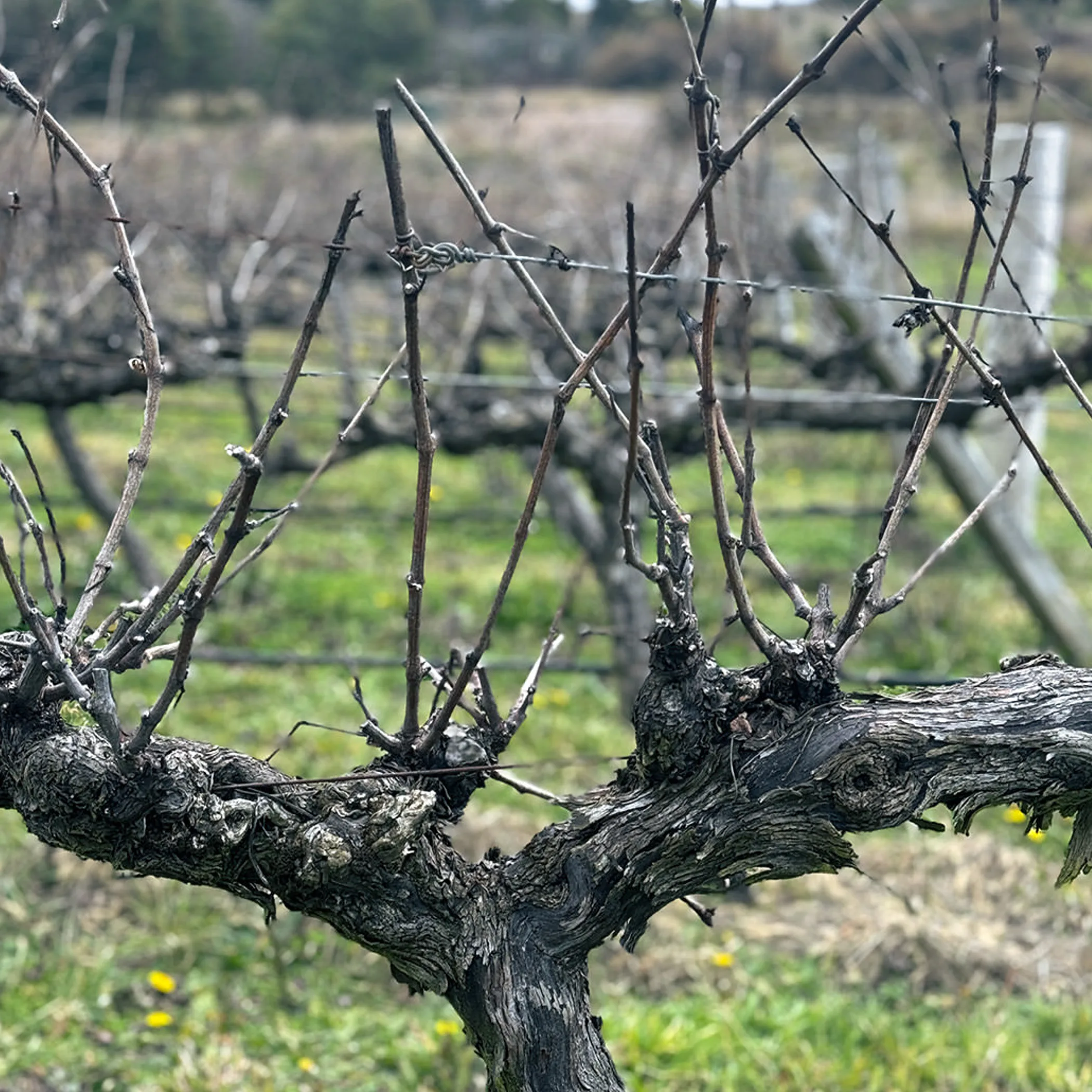
One would not put it down to power so much as balance in a cool climate Australian Chardonnay. The acid is there for support, but the aromas and flavours are of lemon, nectarine, white peach, green apple and stone fruit in restraint.
Oak may lend a toast or vanilla note and give the wine more of a texture, but it should never have the taste of a kitchen cupboard. An unoaked version tends to be more to the point and of the fruit, a lightly oaked one can be a good compromise between richness and freshness.
Reading The Chardonnay Signals
On the label or in the producer’s notes you will come across “barrel fermented”, “wild fermentation” or “malolactic fermentation”. Such methods put some creaminess or savoury complexity into the wine without rendering it sweet.
In my experience of advising hotel guests on an Australian wine, colour is no use as a guide. A pale Chardonnay is not necessarily light and a golden one rich; bottle age, the lighting or how it was made will deceive you. You get more from the taste and the provenance. I have had many make that assumption.
Sauvignon Blanc With Freshness

The dry, aromatic and lively character of a cool climate Australian Sauvignon Blanc is the norm. Region and ripeness will determine whether you find citrus, cut grass, passionfruit, fresh herbs or other herbaceous qualities in the glass.
Adelaide Hills and Tasmania are known for an acid-driven freshness, Margaret River will often blend in some Semillon for length and texture. Do not be fooled by an intensely fruity nose, the finish is likely to be dry since the two are not synonymous.
Dry Does Not Mean Tasteless
While residual sugar may differ, the style is generally dry. There is nothing to stop a wine having tropical fruit on the nose and yet present no sweetness to the palate; the finish and acid are what matters.
People are apt to serve it too cold. Put a very cold wine to your lips and the acid is harsh and the aroma is gone. It is meant to be refreshing when well chilled, not like some flavoured water kept at the back of the fridge.
Chardonnay Compared With Sauvignon Blanc
To see it as smooth against sharp is to miss the point. The grapes and the winemaker’s hand will produce light, medium or textured wines with differing acids and aromas. The Clare Valley’s crisp Riesling exemplifies the elegance achievable in Australia’s cool-climate white wines.
What follows is for guidance only, not to be taken as gospel. A wine can stray from its regional type depending on the vintage and what is done in the cellar.
| Feature | Cool Climate Chardonnay | Cool Climate Sauvignon Blanc |
|---|---|---|
| Typical aroma | Citrus, stone fruit, white peach, green apple | Green fruit, lemon, passionfruit, fresh herbs |
| Acid | Fresh, rounded by oak or texture for the most part | Energetic and prominent |
| Body | Light to medium, occasionally broad or creamy | More of an aromatic leaner line |
| Oak use | De rigueur for some styles, not for others | Mostly unoaked but there are exceptions |
| Finish | Fruit-driven, mineral or savoury | Refreshing, herbal and dry |
| Best match | Pork, roast chicken, seafood with a creamy sauce | Oysters, prawns, goat’s cheese and salads |
Choosing Your Bottle Well
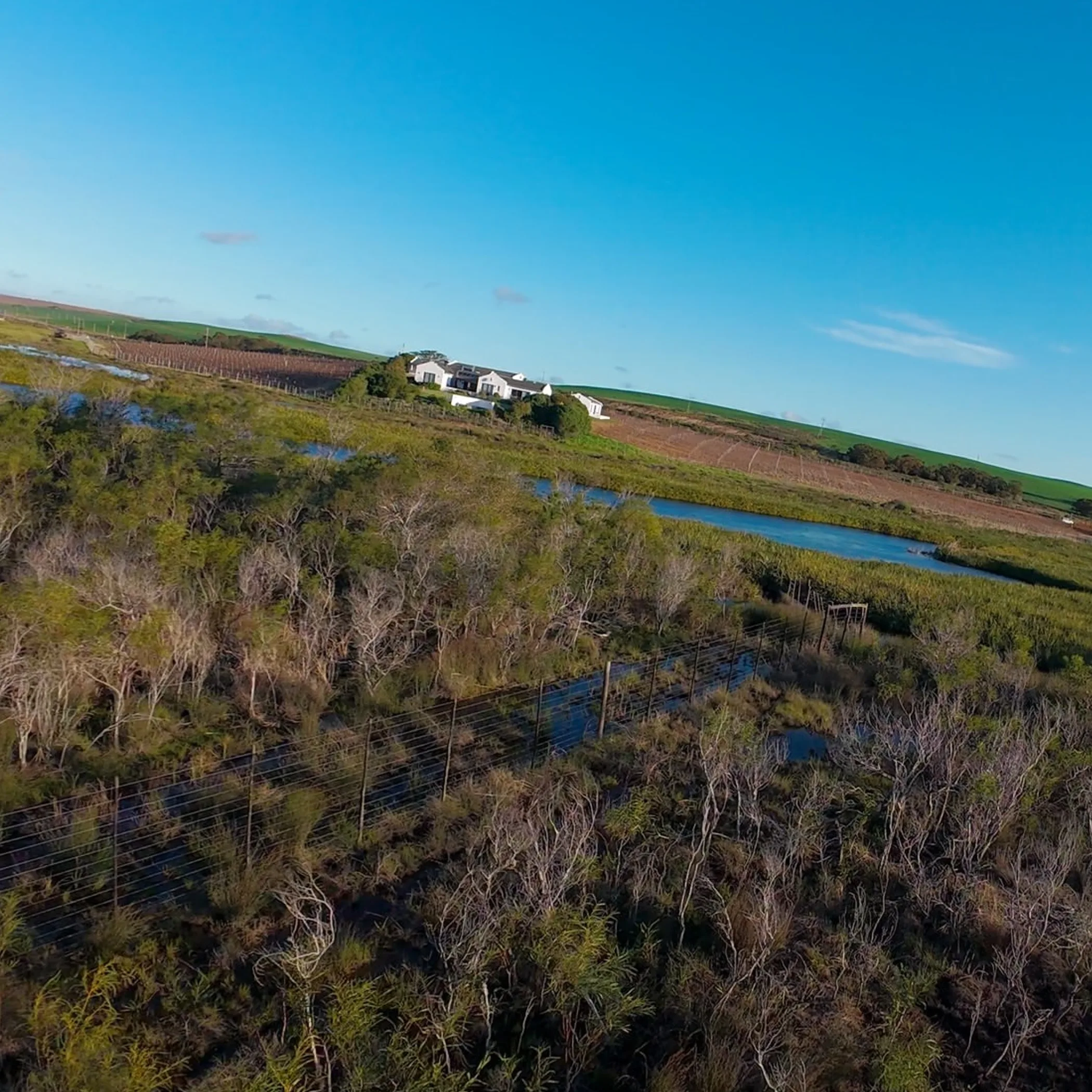
You will have less trouble buying a cool climate Australian white once you know what is required of it. Whether to take to a friend’s barbecue, to put away or to have with dinner? That is what dictates the right choice, not a medal sticker.
Then there is price. As a rough retail guide you might expect to pay AUD 15-30 for a dependable bottle from the region, upwards of 30 to 70 for a reserve or small-production site wine. But these are not hard and fast figures and will vary with the shop and the vintage.
Quick Buying Checklist
- For something bright and unoaked go with a Sauvignon Blanc.
- Chardonnay is where you will find oak influence, stone fruit and texture.
- An aromatic white demands you check the vintage for freshness.
- Do not be swayed by what is on the front of the label, look for the regional specifics.
- If in doubt as to whether it is oaked or dry, ask.
The cool-climate Sauvignon Blanc is an obvious place to start for the uninitiated given the easy to spot aromas. Chardonnay is for those who relish texture and do not mind putting an oaked and unoaked side by side. Should you have little patience for sharp acid, stay clear of the leanest and seek out “lees aged” or “textured” on the label.
Food Matches That Work
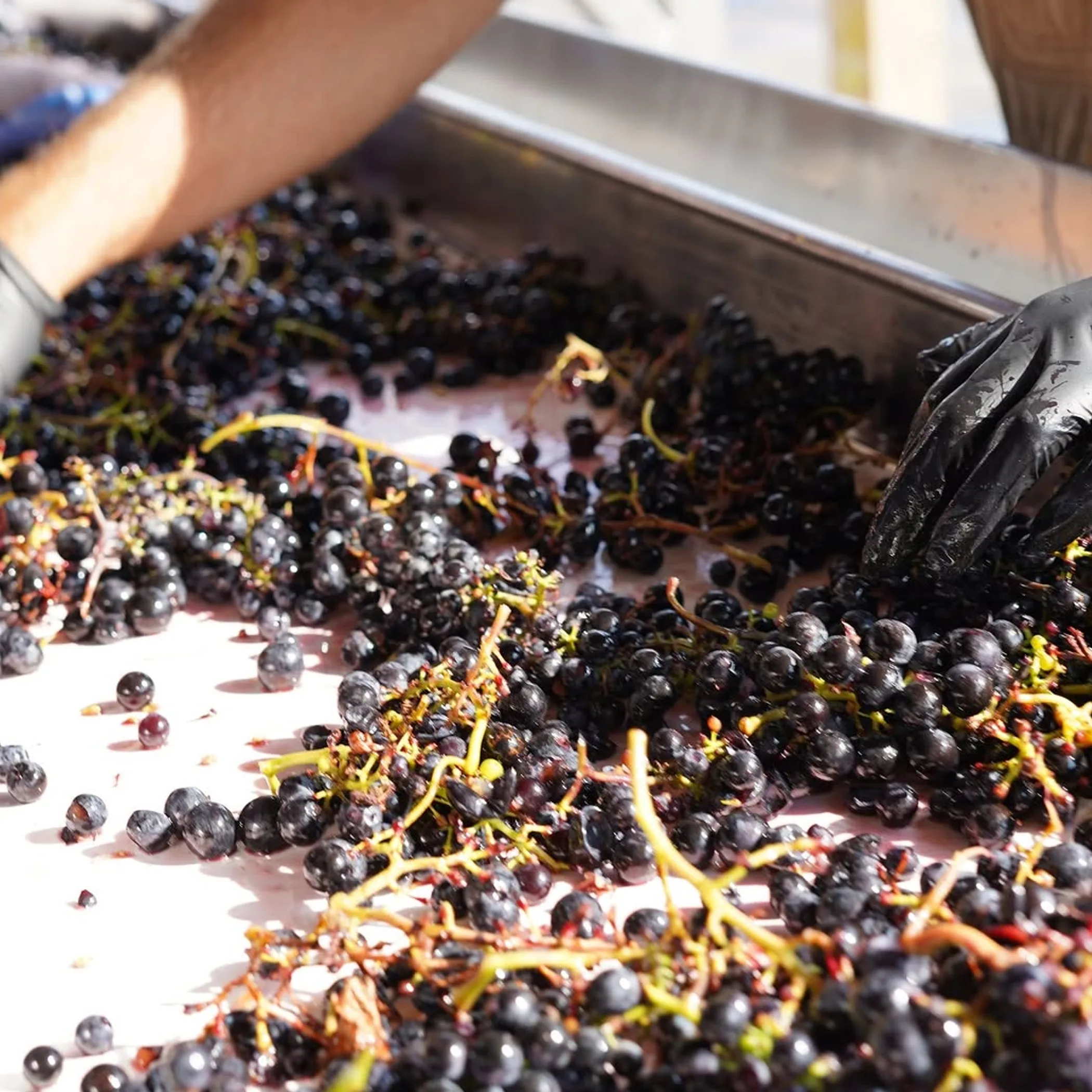
It is in food pairing that a cool-climate white wine justifies its place. The acid will stand up to fat, mineral and citrus notes do their work on seafood, and the wine’s moderate body does not overbear a more refined dish.
You will find Chardonnay in good company with roast chicken, pork, grilled fish, creamy pasta or anything with mushrooms. Sauvignon Blanc is the obvious choice for oysters, prawns, sushi, a green salad with fresh herbs, goat’s cheese and the like.
Pairing By Sauce And Texture
If the dish is of a fuller texture, has butter or cream, or some roast to it, go with Chardonnay. Put Sauvignon Blanc on the table when there is lemon, chilli, raw seafood or a sharp dressing. Then again, an oaky Chardonnay can be too much for an oyster and a lean Sauvignon Blanc can seem severe next to a rich cream sauce.
I have learned at the hotel that one should taste the wine with the food before making accusations; guests are apt to put the blame on the wine when the sauce is at fault. A sweet glaze has a way of turning a dry white sour, as will a very spicy dish blunt a delicate aroma.
Serving And Cellaring
For Sauvignon Blanc 8-10°C is about right, 10-12°C for a cool-climate Chardonnay. Such temperatures allow the glass to bring out the aroma and texture without sacrificing freshness. Do not let a bottle languish in the fridge for hours, the wine will be too cold. Remove it for a short while or pour a glass and let it come to itself. An ice bucket is only called for in a hot room; there is no need to pack it in like sardines.
Storage And Drinking Windows
Keep bottles from heat, direct sun and any wide fluctuation in temperature. A fine Chardonnay with the requisite concentration and acid and a good closure will put in several years of development, but many a Sauvignon Blanc is at its best when young.
Resist the urge to put something in the cellar because it was described as “premium”. White wine is for drinking, not to be put in charge of a dark cupboard. If it is balanced and enjoyable, opening it is as good a plan as any.
Frequently Asked Questions
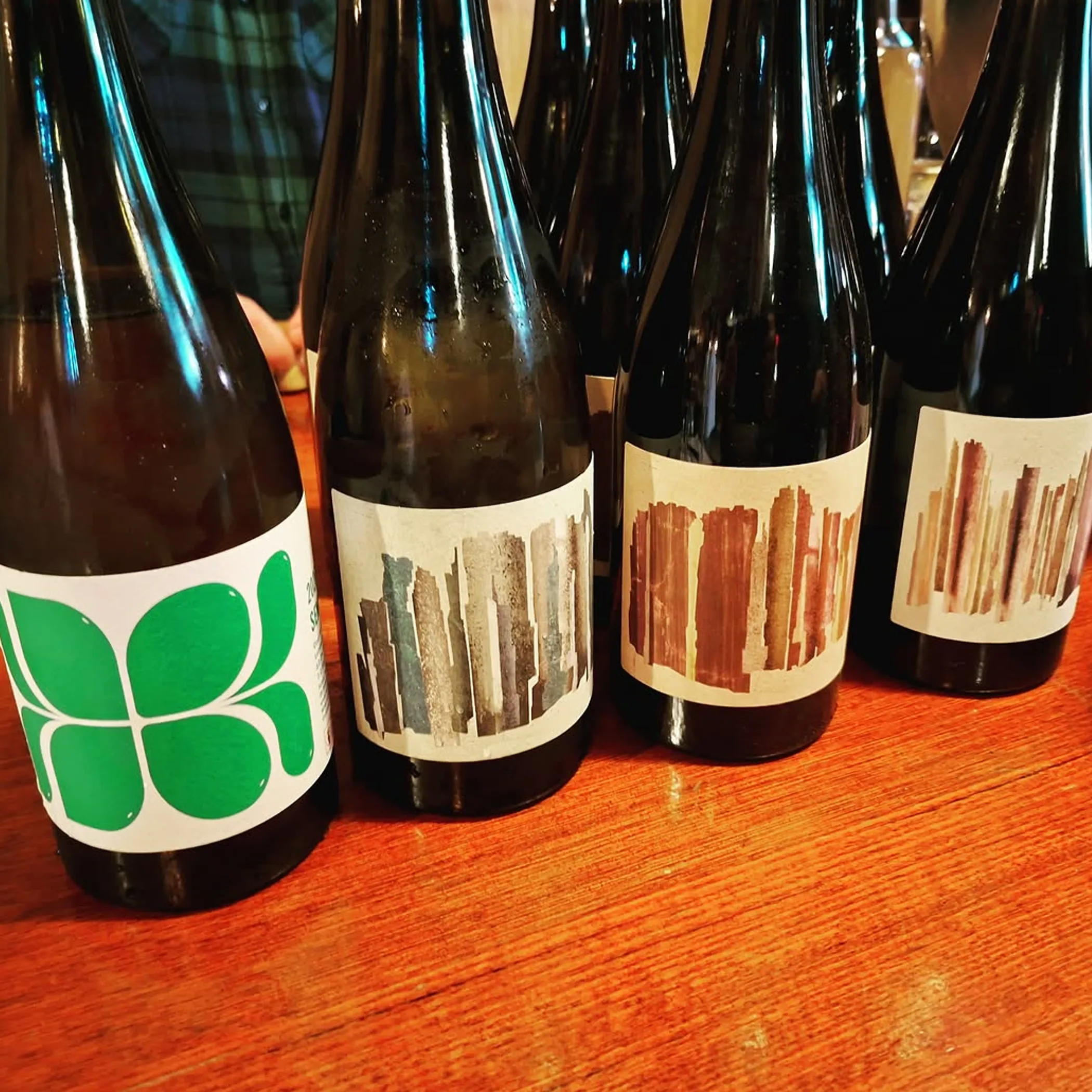
The sort of questions put to me by dinner hosts and travellers, and those confronting a bottle shop shelf with the look of a man disarming something small.
What Are The Best Cool Climate Wine Regions In Australia?
One could do worse than to begin in Tasmania, the Yarra Valley, Mornington Peninsula, Adelaide Hills, Clare Valley or Margaret River. It is a matter of style: for briskness there is Tasmania and the Adelaide Hills, whereas the Yarra Valley and Margaret River will give you more in the way of stone-fruit depth and texture.
What Does Cool Climate Chardonnay Taste Like?
Expect to find citrus, white peach, stone fruit and green apple with an acid to back it up. Depending on the fermentation and lees ageing, there may be some oak to impart toast, spice or a savoury note and a certain creaminess. It ought to be fresh and in balance, not just cold and sharp.
Chardonnay Or Sauvignon Blanc?
As a rule Chardonnay is the more accommodating in texture and prone to show some oak or lees. Sauvignon Blanc is straighter and drier, with its acid upfront and a more herbaceous, aromatic quality. They are suited to different meals and palates, one is not inherently superior.
Is Australian Sauvignon Blanc Dry?
In the main yes, though the producer and style will dictate the level of sweetness. A hint of tropical or passionfruit is no indication of sugar. Consult the tasting notes for a fully dry option.
Food For Your Cool Climate Chardonnay
Roast chicken, pork, grilled fish, seafood in a butter sauce, mushrooms and creamy pasta all pair well. With a lighter, unoaked version stick to shellfish or simply prepared fish. Be mindful of the body of the wine and keep heavy oak away from anything too delicate.
A Final Pour
Australia puts forward a good deal of cool climate Chardonnay and Sauvignon Blanc with plenty of regional character and choice, no wine diploma needed to appreciate them nor any ceremony of sniffing. Have regard for the region and vintage, the meal and the acid and oak.
Buy what you are going to drink, be it a broad, lightly oaked Chardonnay or something more crisp and refined. Make sure the driver is sorted, see what the cellar-door times are, factor in the country roads and make space in the boot. The occasion and your own taste will tell you which is the better bottle.
