When is the best time to be in the Top End national parks of Australia? The dry season between May and September will suit most travellers; it is when you can count on open sites, less humidity and roads that are to be relied on. Make it June to August and you have the least trouble of any period in Kakadu, Litchfield or Nitmiluk National Park.
But “best” is relative to your intentions. Ask Callum Wright and he will say timing is of more consequence here than in many an Australian locale. In one month there are safe swimming holes and a nice spot for a picnic, in another you have flooding, closed roads and the heat of the day has put paid to your plans by morning smoko. You may find the wet season in the Top End has its beauty, but do not come with the notion that campgrounds and waterfalls will be business as usual and it will not forgive you.
Get The Timing Right
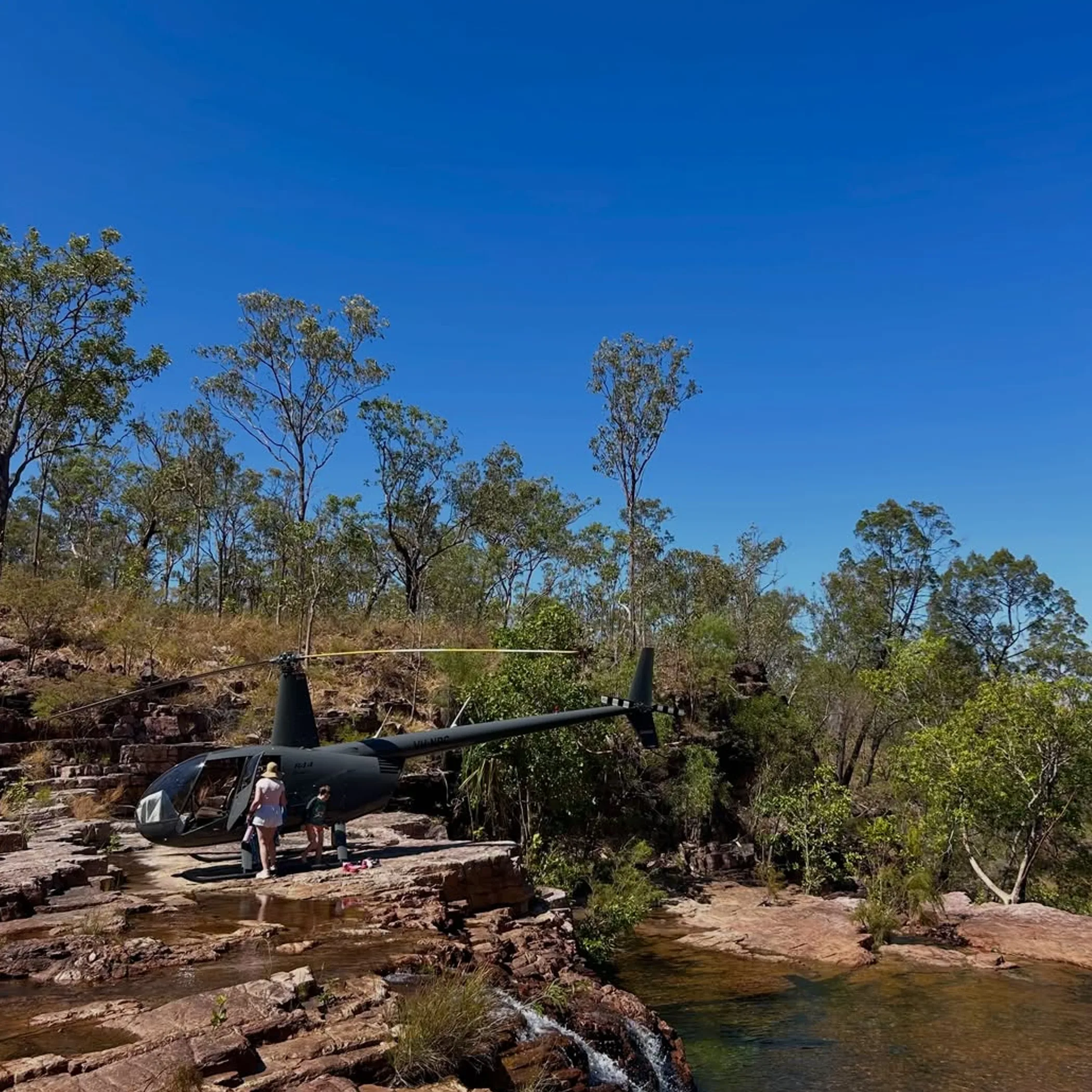
You are well rewarded for it in the Top End, and penalised for making assumptions. Choose your months and you will have a better view of the parks instead of closure signs, walks that are a pleasure, croc-free managed swimming and no headaches from the driving.
We have put together a guide to the Northern Territory parks, from what to expect in Nitmiluk to when to head to Kakadu and Litchfield park visitor guide. I have been as practical as I can about it; there is no point in rehashing a brochure style piece that does not mention the car park being at capacity by 10:00 am.
A Quick Seasonal Answer
The Northern Territory’s top end national parks are at their finest in the dry season of May to October if you want a straight answer. First-timers would do well to make June, July or August their choice for the certainty of bookings and tour operators, not to mention cooler nights and less rain.
One could also make a case for the shoulder season of April to October to avoid the crowds, though you have to put up with some heat and now and then a problem with access. October is a trap for some; on paper it seems fine but the humidity can be unrelenting if you are not accustomed to it.
Three Seasons
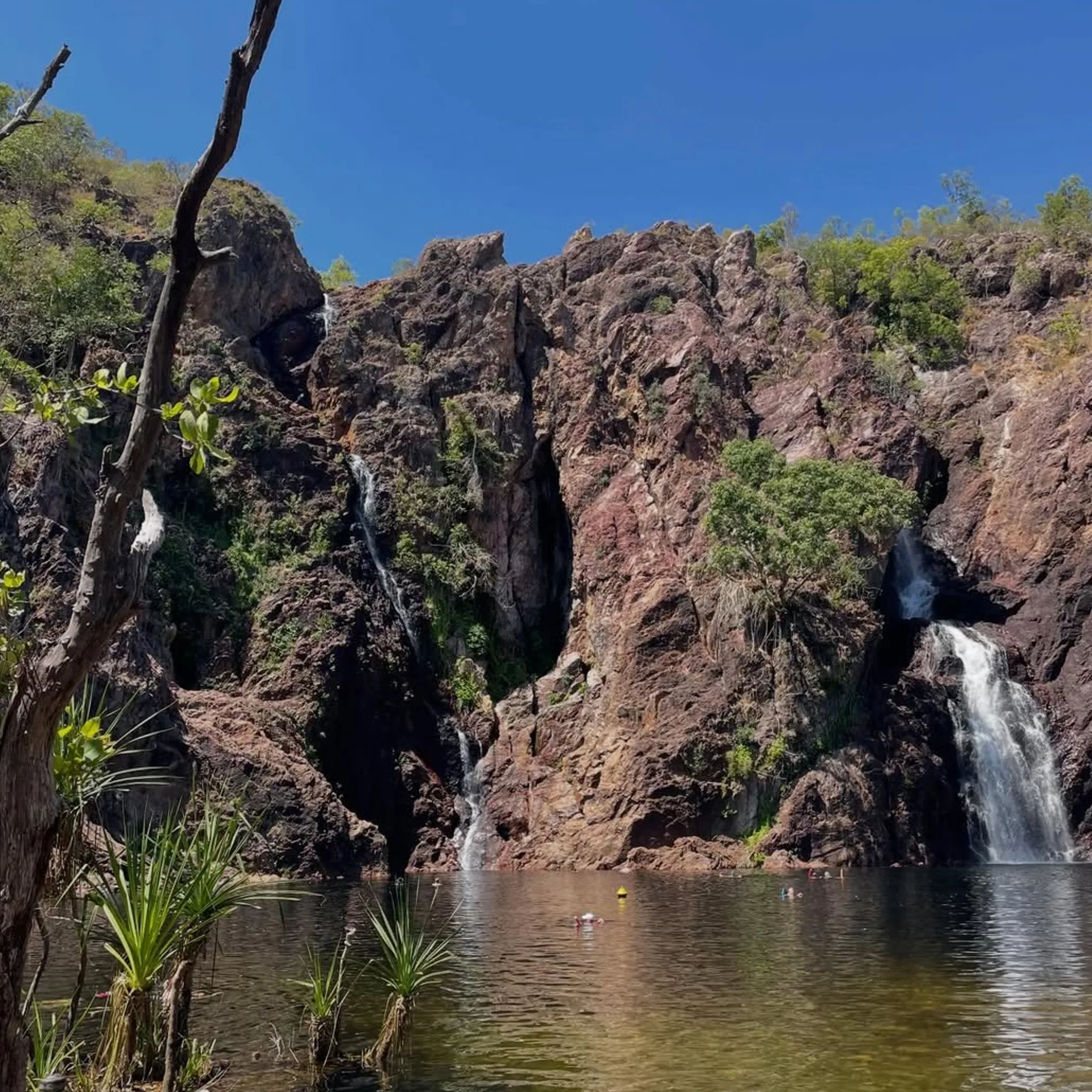
Dry and wet are how the Top End is usually divided but we think of it in three phases for the sake of the traveller: the dry, the wet and the shoulders in between. It puts things like road conditions, water levels and whether a short walk is agreeable or a trudge through a sauna into perspective.
Rain and humidity have a way of altering the experience even if Darwin’s monthly temperatures do not fluctuate as much as one might think. According to the Bureau of Meteorology Darwin climate averages, the city shows a clear pattern of wet and dry, with maximums in the low 30s °C for much of the year and the bulk of the rainfall in the wetter months. Have a look at the latest BOM averages for Darwin before you commit to dates.
In Practice: The Dry
From May to October the dry season is in full swing. There is no weather to turn your day upside down when you are out sightseeing, camping is easier and the skies are clear. Self-drive is the way to go and more of the park’s visitor sites are available. With kids in tow or older members of the family who do not take kindly to sticky heat, this is our recommendation nine times out of ten.
In Practice: The Wet
Do not mistake the wet season from November to April for summer with a bit of rain. The monsoon brings its own set of circumstances in the Top End: storms, cyclone alerts, rivers in spate and humidity to match, with access changing in a hurry.
Then again, it is spectacular. The birdlife is up and about, the waterfalls are in full voice and the country is a proper green. But for anyone wanting to put in some miles by road to see a few of the parks and do the popular walks and swims, the wet season is hardly the tool for the job.
Shoulder Windows
Once the heavy rain has let up in April and early May it can be very pleasant, with major access coming back on line and the waterfalls still running. Then there is the matter of late September to early October; that can be done, provided you are aware it will be more of a hoot and hotter in the vicinity of well known swimming haunts and when the schools are out.
Do not make the mistake most do and think shoulder season is an even keel all over the place. It is not. One park may be fine and another has a route scuppered by a managed burn or a crossing under water.
Dry Season Trade-Offs
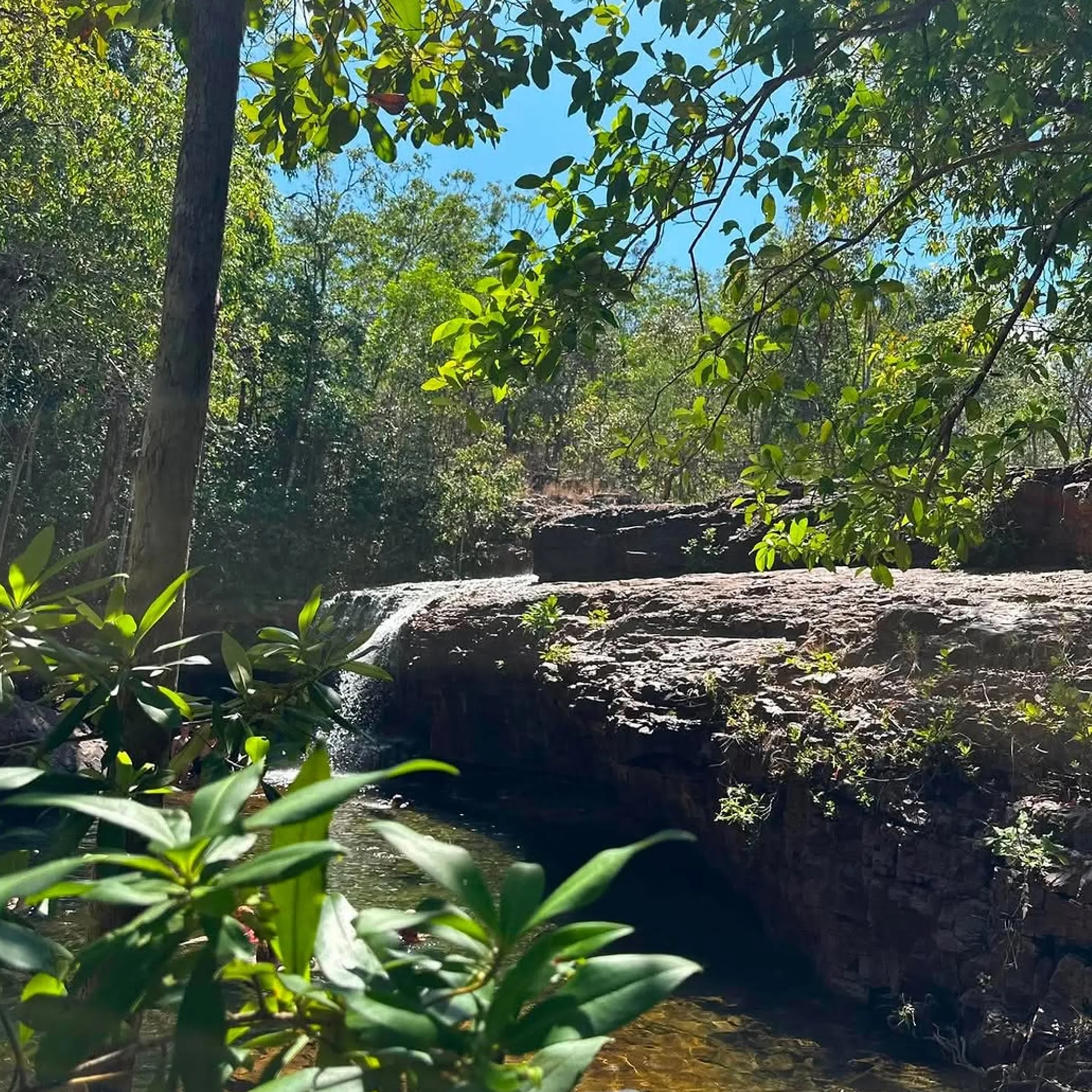
In the dry you have your access and comfort and it is easier to put a plan together, but it is hardly without its flaws. You will have to put up with peak pricing and tours that are already taken, and some of the natural scenery does not have the same impact as it would post-rain.
Callum Wright will often put in for the dry on a first visit since there are fewer variables. That does not preclude error. I have been known to misjudge how early one has to be out of Darwin for Litchfield on a winter weekend and end up doing more than my share of circling for a parking space.
What You Gain
The roads are to be relied upon, sealed ones in any case, and where wet season damage has been put right many unsealed stretches are open and safer. A morning walk is as pleasant as they come in the Top End and, where the authorities say so, the waterholes are clear enough to arrange a swim around.
Wildlife is also at a premium. As water dries up in the floodplains and wetlands of Kakadu and elsewhere in the Top End, you are more likely to have birds and animals in plain sight.
And the Cost
There is the price and the crowds to contend with. In the height of the dry months accommodation in Katherine, at the Kakadu gateways and Darwin will see a marked increase and you will find the good rooms and campsites and cruises are long gone. A budget traveller can still manage a basic cabin or campsite of sorts but for mid-range expect to pay what the wet season never asked.
Book your car hire a few months in advance for a decent rate. To make a last-minute winter booking in the Top End is akin to showing up at a bakery at 1pm and being appalled to find the pickings are slim.
A Reality Check on the Wet
It has its magic if you want it. Go for the storm skies and the empty places and the full waterfalls and very well. But should you set off for a road trip in the belief every highlight will be available, you will be disappointed.
Expectation and reality are at odds in this season. The thundering fall in the brochure is no fiction, nor are the tours called off because nature has other ideas, or the closed roads and restrictions on swimming.
What Makes It Special
After some heavy rain, say from the tail end of the wet into the early shoulder, the visual appeal of the Top End waterfalls is at its height. What was dusty and barren in the late dry is now lush and alive. For those who prefer landscape to ticking boxes and have the patience for it, the wet is something the dry cannot equal, not least for birdwatching in the wetlands.
Where People Get Themselves In
Aside from the usual road closures and flooding, there is heat stress. Humidity in the build-up will have you thinking a short walk is much further than the map says, and temperatures in Darwin and beyond are high for the better part of the year.
Croc factor too. With more water about you have to be wary of unofficial spots and river edges. And do not be tempted to second guess a sign that says no swimming. The crocodile is not going to be impressed.
Parks Are Different
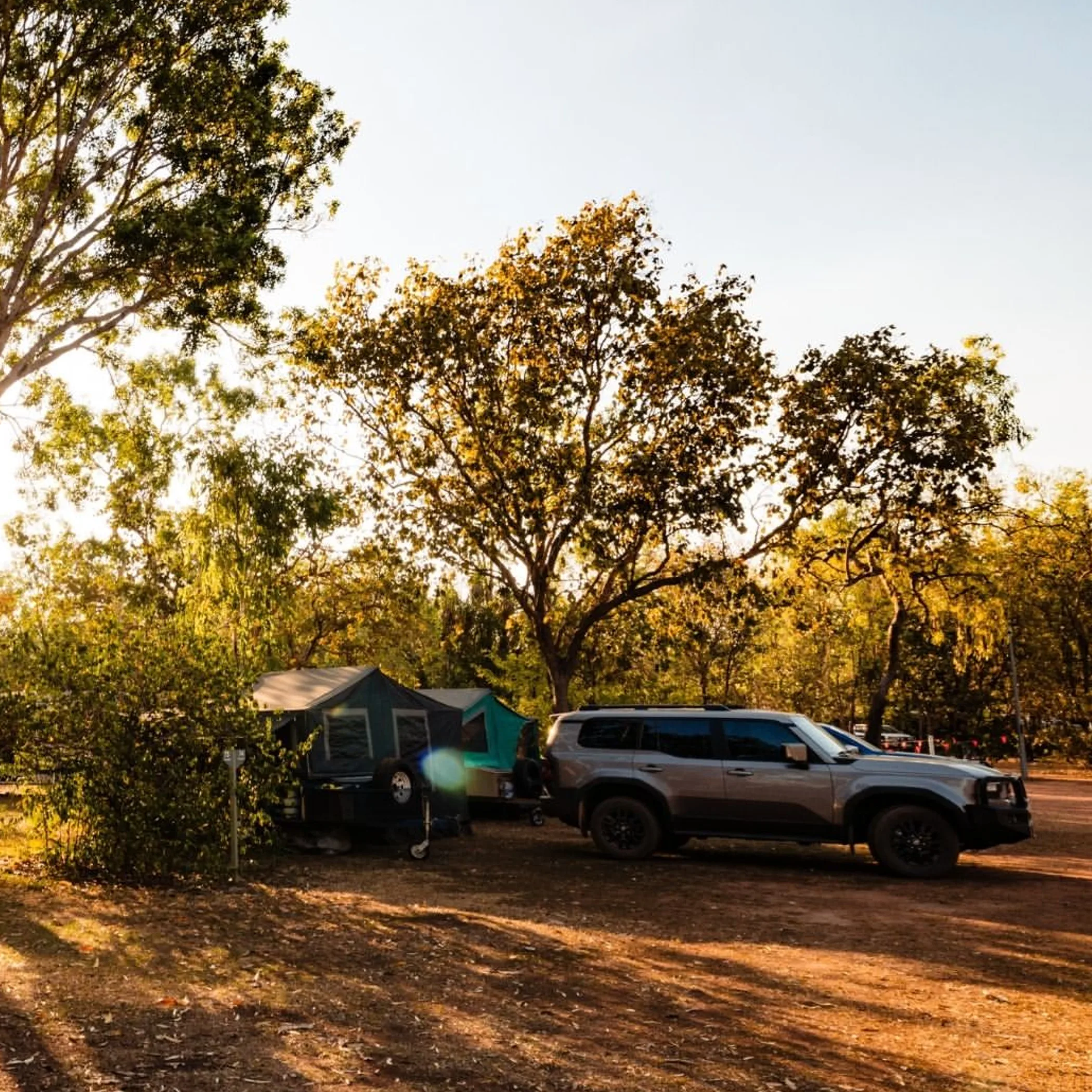
You cannot treat every park in the Top End alike. Some are at their best in the dead of the dry, others after the wet and some you can go to anytime if you are prepared to modify what you do.
Here is the practical side of things, not the romantic version.
Kakadu
Your timing for Kakadu will be dictated by whether you want drama or access. Make it July or August and you will have little trouble with the weather or getting to Ubirr or Nourlangie or putting together a Yellow Water type excursion on the main roads.
Those in search of a greener landscape and waterfalls would do well to time their visit for between late April and June, though a close eye on conditions is advisable as not all sites and roads will be open at the same time. Then there is the matter of drive times in a place like Kakadu National Park; it is vast and you have to be realistic about them. What appears to be a short distance can easily become a day’s work when one factors in the walks, a boat cruise, photo opportunities and the inevitable stop at the dunny.
Litchfield Timing
For the majority of travellers making a day of it from Darwin, Litchfield is straightforward: go in the June to September window. The park is among the most accessible in the region thanks to sealed roads and more dependable conditions, and it is easier to organise your time around the managed swimming areas. Should you be limited to a single day in the Top End, this is the part of the equation to put first. A sensible guide to the park will tell you that the better known plunge pools and falls are apt to be as crowded as sardines in school holidays or on a weekend.
Nitmiluk Timing
Over at Nitmiluk National Park near Katherine, the dry season is where the park excels for gorge access, canoeing and the like. You will find good water levels in the early dry, but logistics tend to be more predictable by mid-dry. Do not expect much from the wet; it puts a different complexion on the gorge and some things may not be on offer. And the heat in Katherine has a way of catching visitors unawares, so an early start is something of a necessity.
Other Top End Areas
More remote corners of the Top End and reserves, the sort of places on the way to Arnhem Land, call for a degree of caution with seasonal closures, road and permit matters. It is not a proposition for a novice to be out on unsealed roads late in the wet or just after. One might consult Parks Australia or Tourism Top End, but verify with the relevant authority before setting off. “It was open last month” does not make for a sound plan.
Match The Season To Activities
You will hear people ask what is the best time for the Top End as though a definitive answer exists. There is none, only the right month for your budget, how much uncertainty you can stand without going feral, your tolerance for the heat and what you want to get done. An activity-based approach is the way to go.
| Activity | Best Timing | Why It Works | Watch Outs |
| Waterfalls | Late wet to early dry | Stronger flow, greener scenery | Some access roads may still be shut |
| Swimming Holes | Mid dry | More stable access, easier safety management | Popular spots get crowded |
| Birdwatching | Wet to early dry | Wetlands active, strong birdlife | Heat, mozzies and access issues |
| Long Walks | June to August | Cooler mornings and lower humidity | Carry more water than you think |
| Self-Drive Touring | May to September | Better roads and simpler logistics | Peak-season bookings needed |
Waterfalls And Pools
In terms of pure looks, the late wet and early dry are hard to beat for a waterfall in the Top End, but ease of access is another matter. Be flexible and head for the transition months if you want to be in front of a roaring fall. For actually getting in the water in a safe and sanctioned manner, mid-dry is the practical choice. Waterholes are not a question of weather alone but of current advice from the park, the quality of the water and crocodile risk.
Wildlife And Birds
The dry is fine for many as animals are drawn to the dwindling water. Birders will find the wetlands very rewarding in the wet and into the early dry. Have your binoculars but also some patience. You will often hear the wildlife in the Top End before you spot it; the best of it comes when you cease your road train stomping and put in a few minutes of standing still.
Plan Around The Real Friction
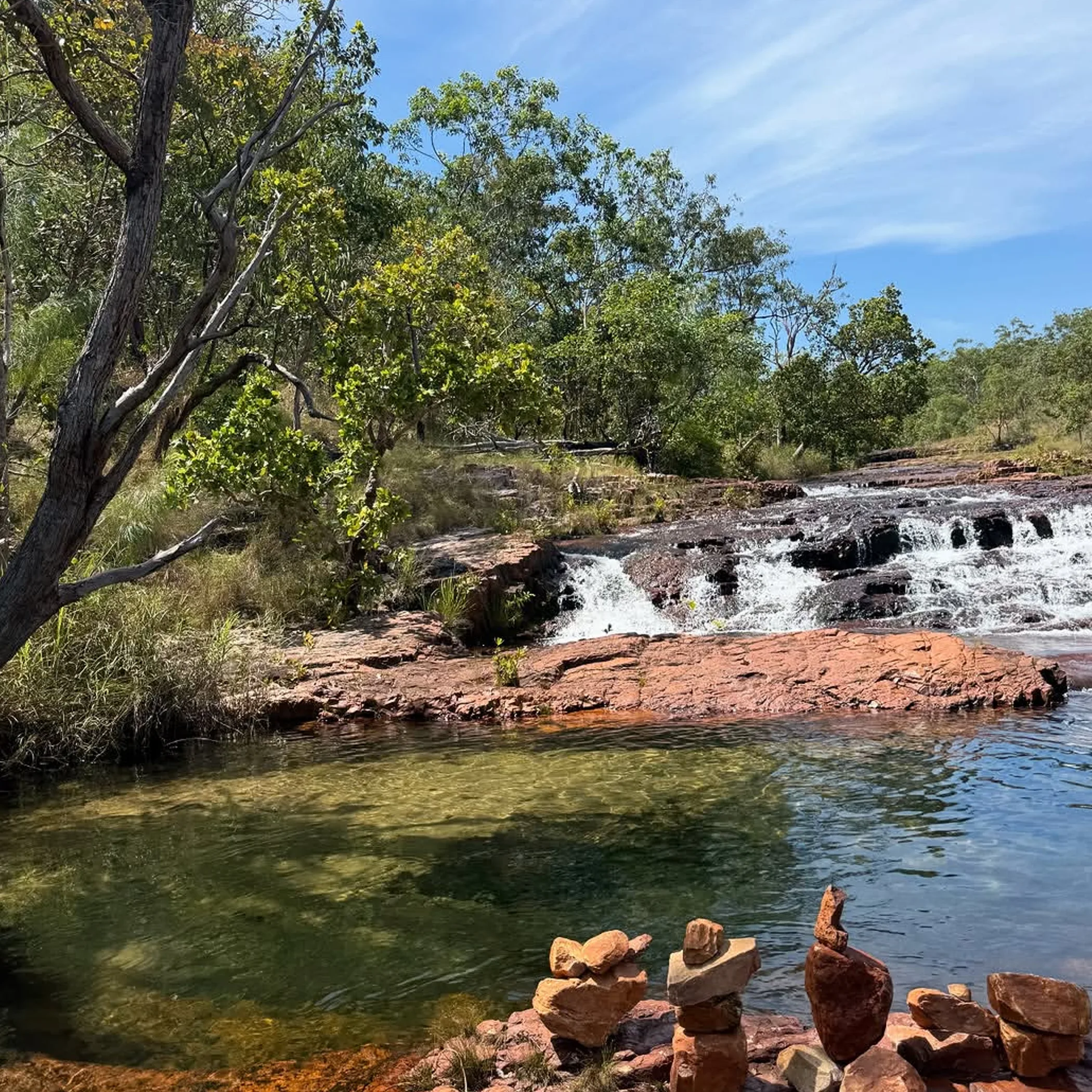
Access, fuel, the heat and accommodation are the issues. Factor in a true drive time and the trip is no trouble. Fail to and you will be spending the short break apologising to your travelling companion. This holds when you are trying to tie in a trip from Darwin through to Litchfield, Kakadu and Katherine. The map is one thing, fatigue and the state of the road quite another.
Roads And Distances
A car from Darwin makes Litchfield the national park of choice for a day. Kakadu is of a different magnitude; anything less than two to four days is hardly more than a windscreen tour. Whether as a component of a Katherine stay or to put in on a more extensive Top End loop, Nitmiluk makes for a good stop from Katherine.
Then there is the matter of being realistic with your time. What is billed as a three-hour drive can easily run to five when you factor in refuelling, any roadworks, the odd wildlife encounter at first light or dusk and the like, not to mention an unscheduled halt for someone who has put in a word about wanting some snacks. In the remoter parts of the country it is wise to have more than half a tank in the reserve and not count on the roadhouses running to your timetable.
Bookings And Permits
Put in your bookings early in the dry season months, particularly if you are after a cruise, one of the cultural tours, a canoe or the better accommodation; the tour operators will be in demand. Properly read the conditions and have your permits in order well before you go if you are to be on Aboriginal land or in those special access zones around Arnhem Land.
Your style of travel and which parks you visit will dictate whether an NT Parks Pass is a necessity. Rules are subject to change so make sure you are up to date prior to leaving. For confirmation on what is open in the way of visitor sites and swimming, what roads are off limits and so on, the official park and weather sources are hard to beat. Do not rely on the status you saw 24 or 48 hours out when you made your reservation, check again before you set off.
- Check road and site status 24 to 48 hours before departure, not just when you first book.
- Carry more water than you think you need, plus fuel, snacks, sun protection and a paper backup map.
- Start early for walks, and avoid assuming a late-morning departure will still feel comfortable in the build-up or wet.
- Do not swim outside signed safe areas, and always stay croc-wise near any waterway.
A Month-By-Month Approach
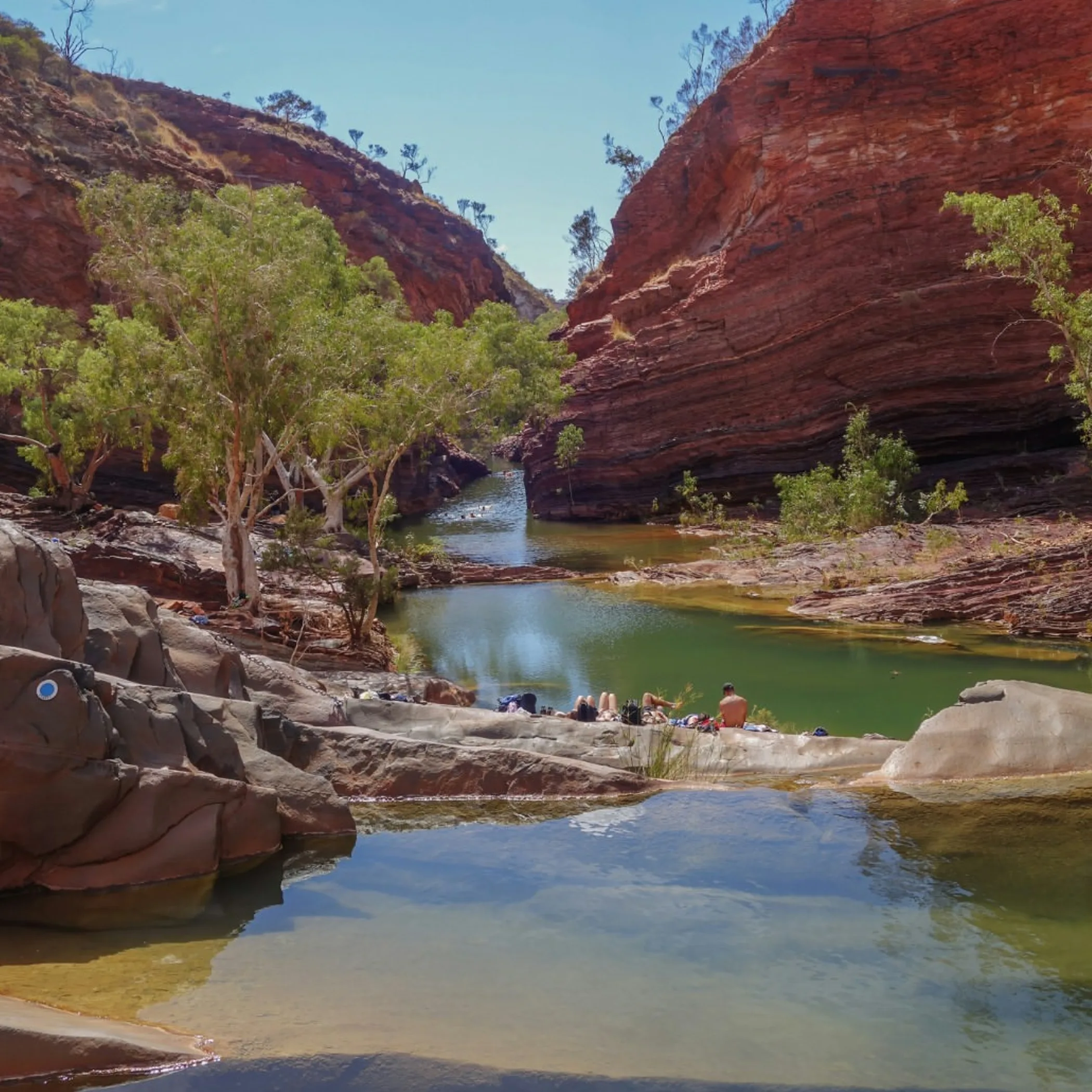
Broad season designations are not as helpful as looking at it month by month if you have dates in mind. There is a world of difference in comfort and access between the end of April and the end of October. The following is the plain-English guide most will find useful.
April To June
For many this is the best of both worlds. You will see greener landscapes, the waterfalls put on a show and the humidity is on the wane, though you may want to be flexible as some places come back into play. A sound option for photographers too, assuming you can accommodate any changes to your access.
July To August
Ask anyone for the best time to be in the Top End and I would put this forward without further qualification. It is the most straightforward period for planning, if you can put up with fuller car parks and stiffer prices and the other visitors that come with it. First-timers and families will appreciate the reliability and comfort, as will older travellers, even if the waterfall volume is less to look at.
September To October
Self-drive and swimming are still fine in early spring but the heat is building. By October you are in a position where some relish the quiet and others are at a loss as to why they are perspiring over breakfast. If you are used to hot weather, it is all right. Not if you have little patience for the stickiness and want to be doing long walks in the day.
November To March
The wet season. You can make travel worthwhile here with a pared-down and adaptable itinerary and an acceptance that certain things will have to be called off, but it is not how to do a multi-park self-drive for the first time. One day in this window and you are better off near Darwin or with something of easy access rather than attempting a circuit of the parks.
- Three-Day for the uninitiated: Litchfield from Darwin on day one, head for the Kakadu gateway on day two, then a major site in Kakadu and either an overnight or return.
- Five to seven days calls for the classic: time in Darwin, Litchfield and Kakadu over a few nights, on to Katherine and Nitmiluk and back down the Stuart Highway.
- Conservative wet-season plan: base in Darwin, a day tour or two with some flexibility, perhaps a cultural or wildlife thing and a park outing only when you have access confirmed.
Common Questions
One does not have to be in the Top End long to realise it does not follow the seasonal logic of Sydney or Melbourne. These questions are asked for that reason.
When is it best to steer clear of Darwin?
If the prospect of cyclone activity, storms and the kind of rain and humidity that is oppressive puts you off, the height of the wet and build-up, say November through to March, is to be avoided. In the dry it is warm but much easier to deal with.
What Is The Best Month To Go To Alice Springs?
Being in the Red Centre and not the Top End, Alice Springs has a seasonal rhythm of its own. The milder winter months are for the most part more comfortable, be it for a walk or some road touring. Then again, one should not put Darwin and Alice Springs in the same category and expect them to be equally suited to the same months.
What Is The Best Month To Visit Kakadu?
July is difficult to find fault with for its broad appeal and ease of access. It affords you a good selection of open sites for visitors and touring conditions you can count on, without the heat that will be building up in later months.
What Is The Coolest Month In Darwin?
The middle of the dry season tends to be the coolest time in Darwin; by average reckoning July is often one of the cooler months. “Coolest” is a matter of perspective, however. You are in the Top End after all, not the Highlands.
Is The Wet Season Always A Bad Idea?
Not at all. But if a traveller is after easy swimming, a firm self-drive itinerary from one park to another and nothing but certainty, then it is. For those willing to be flexible and keep an eye on conditions, the wet is fine for birdlife, to put fewer people between you and the scenery, or to get some storm photography.
Take The Season Seriously
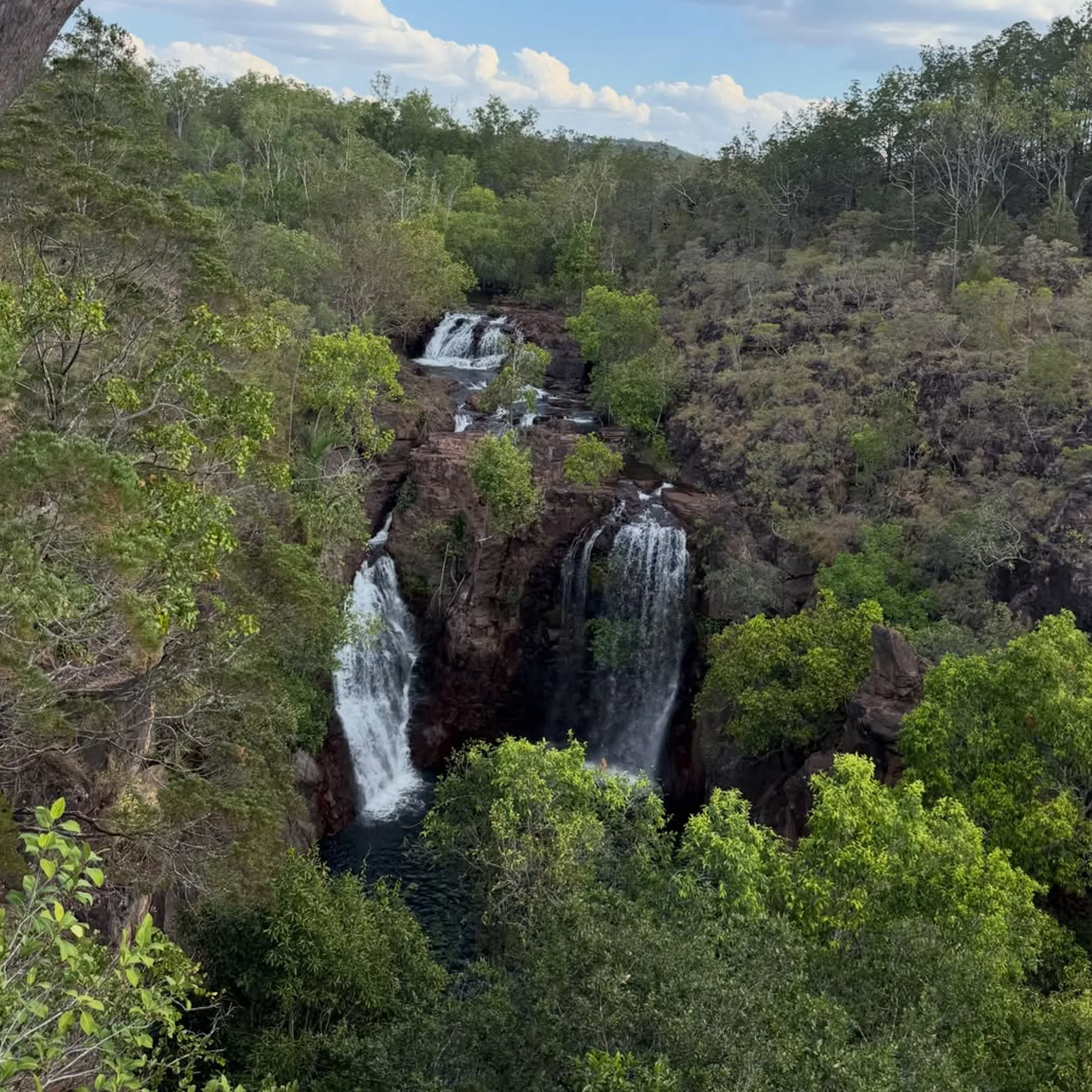
A trip to the national parks of the Top End is at its safest and most trouble free in the dry season, say June through August. Should you be after the greenery and waterfalls of any size, make for the late wet to early dry and be prepared for access to be something of a lottery.
Put it in plain terms as Callum Wright would: the dry is for simplicity, the shoulder will give you some drama short of chaos, and the wet is for when you have a reason for being there. The Top End is brilliant, yet it has no qualms about making a traveller aware of who is running things.
